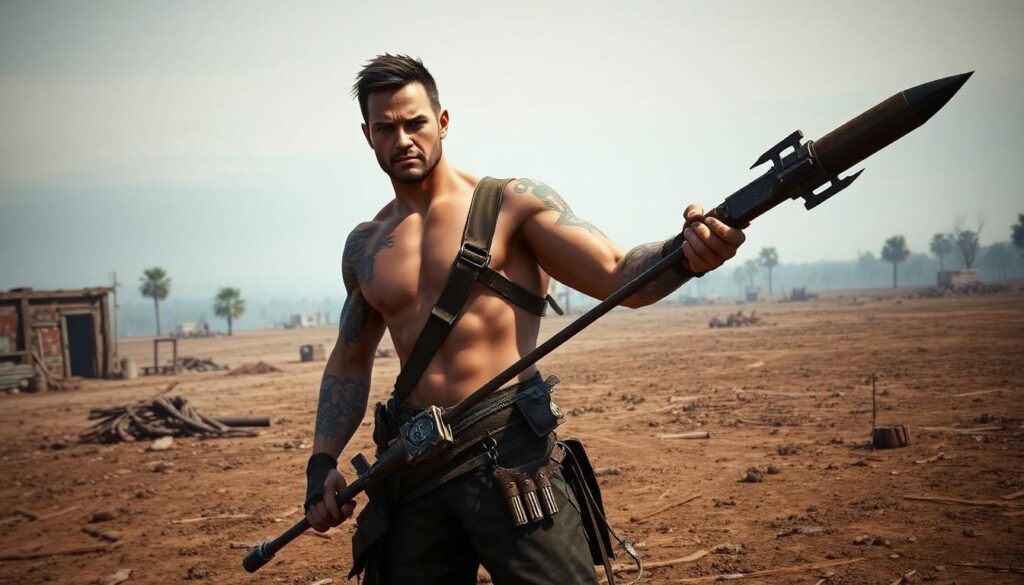
In the chaotic world of Rust, survival isn’t just about gathering resources and crafting weapons—it’s also about how you strut your stuff in the game. Enter player models, the avatars that represent players in this gritty landscape. Whether you’re a towering hulk of muscle or a scrawny survivor with questionable fashion sense, these models bring your in-game persona to life.
Overview of Rust Player Models
Rust player models represent avatars players control in the game’s harsh environment. Players can choose from several designs, which include variations in body types and appearances. Each model affects how players perceive their in-game persona and influences interactions with other players. Distinct character customization options allow individuals to express their personalities uniquely.
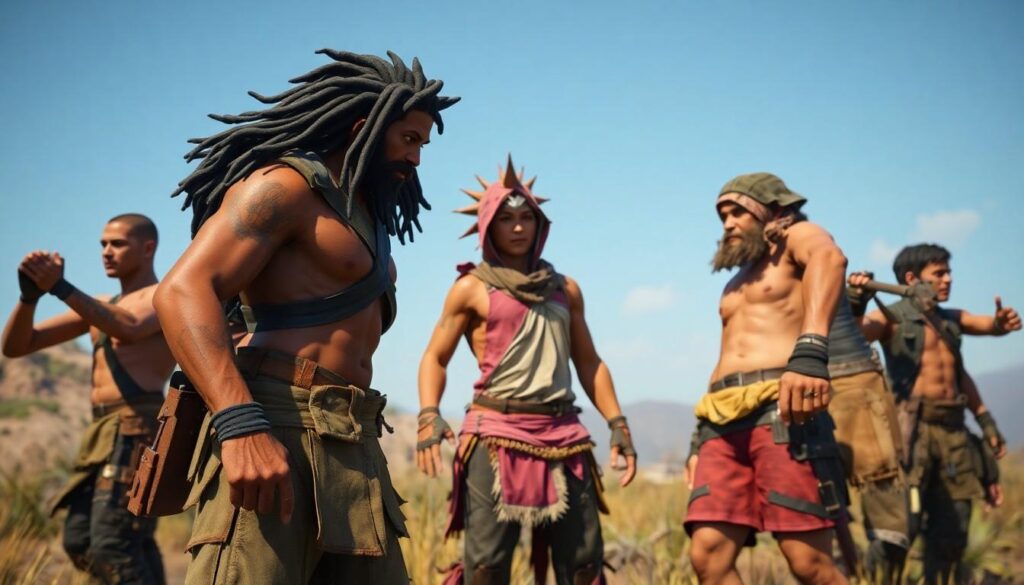
Avatars look significantly different, with muscular builds exuding strength while leaner ones suggest agility. The visual diversity contributes to the overall immersion in the game, as players can relate personally to their selected models. Interaction with the environment remains fluid, influenced by model animations and movements.
Custom skins and outfits add another layer of individuality, enhancing personal narratives within the game. Players can showcase achievements through unique clothing or gear, fostering a sense of pride. These visual aspects impact how players engage in both combat and teamwork, reinforcing their presence in Rust.
Animation quality also varies between models, with smoother movements providing a lifelike experience. Improved fidelity allows for more realistic interactions, making encounters with enemies and allies feel more genuine. Reacting authentically to different scenarios hinges upon the quality of these visual representations.
Unique identifiers, such as tattoos or scars, serve as additional personalization features. These marks tell stories about a player’s journey in Rust, presenting a rich background that other players can appreciate. Each model plays a vital role in shaping the experience and can alter game dynamics significantly.
Importance of Player Models in Rust
Player models in Rust are vital for crafting unique in-game experiences. These avatars not only showcase individual player styles but also profoundly influence gameplay dynamics.
Visual Representation
Visual representation plays a critical role in player immersion. Customizable avatars allow individuals to express their personalities, whether through muscular builds that suggest strength or leaner models indicating agility. Diverse designs enhance the game’s aesthetic, creating a vibrant world where players feel more connected to their characters. Custom skins and outfits can highlight achievements, fostering a sense of pride within the community. Unique identifiers such as tattoos and scars further personalize the experience, transforming avatars into rich narratives that players can relate to.
Impact on Gameplay
Player models influence gameplay through social interactions and combat dynamics. Character visibility can affect how players approach encounters, with certain builds instilling fear or confidence. A muscular avatar may intimidate opponents, while a lean model could be viewed as less threatening. Team strategies often hinge on the perceived strengths or weaknesses of various avatars. Moreover, the animations accompanying these models enhance realism, making player interactions more engaging. Understanding the implications of different player models allows individuals to adapt their tactics, ultimately impacting their survival in the game.
Types of Rust Player Models
Rust offers a variety of player models, enhancing personalization and gameplay experience. Understanding these types helps players make informed choices for their in-game representation.
Default Models
Default models provide a standard visual identity for players. These avatars range from muscular to lean builds, reflecting different characteristics. Each default model maintains a distinct appearance and feel, impacting how players interact with the environment and each other. Players often choose these models based on personal preference or gameplay style. Utilizing default models doesn’t restrict customization entirely. Gamers can further personalize their characters through clothing and accessories, contributing to a unique identity while keeping the core structure.
Custom Models
Custom models unlock creative expression within Rust. Players can design their avatars to reflect individual personalities, using various tools and options provided in the game. This flexibility allows for the incorporation of unique elements, such as tattoos and outfits. Custom models enhance immersion while increasing the sense of ownership over one’s character. Many players aim to showcase achievements or define specific roles within their teams through customized appearances. Customization extends beyond aesthetics, as these models can make social interactions more impactful, creating memorable experiences in the game world.
Comparison with Other Game Models
Rust player models differ significantly from those in other games, emphasizing realism and player identity. In comparison, models in games like Fortnite feature exaggerated designs, contributing to a distinct aesthetic but less immersive experience. Many games utilize standardized character types, while Rust’s diversity allows for a wide range of customization options that enhance personal expression.
The impact of avatar representation in Rust becomes evident when contrasted with franchises like Call of Duty. While Call of Duty players often select from a limited set of pre-defined soldiers, Rust’s approach empowers individuals to create unique characters. This freedom cultivates a deeper connection to in-game personas as players can choose attributes that resonate with their personal styles and strategies.
Animation quality also varies across games. Rust includes fluid animations that heighten realism during interactions. Other titles, such as Overwatch, focus on stylized animations that prioritize visual flair over realism. This distinction influences how players perceive their actions and the actions of others in the game world.
Social interactions further reflect differences between games. In Rust, different body types can evoke varying reactions, shaping group dynamics during encounters. Players may respond differently to a player with a muscular build compared to one with a leaner appearance, while other games often promote a more uniform player response due to similar character designs.
Overall, character models play a crucial role in the overall gaming experience. Rust’s emphasis on customizable, realistic avatars creates a unique connection between players and their characters, setting it apart from other popular titles. Each player model in Rust serves as more than just an aesthetic choice; it directly impacts gameplay through social engagement and tactical decisions.
Conclusion
Player models in Rust are more than just visual representations; they shape the entire gaming experience. The ability to customize avatars fosters a deeper connection between players and their characters. This personalization enhances immersion and allows for strategic gameplay influenced by perceived strengths and weaknesses.
The diversity of player models contributes to the game’s unique aesthetic and social dynamics. As players navigate encounters and interactions, the visual identity of their avatars plays a crucial role in shaping their tactics and community engagement. Ultimately, Rust’s focus on realistic and customizable player models sets it apart in the gaming landscape, making every encounter feel personal and impactful.